Silent Customer Loss in E-commerce: Spot Unhappy Customers Before They Leave
Unhappy customers don't always complain; sometimes they simply never buy again. Use a short post-purchase survey to catch delivery, product and checkout problems early.
A customer buys from your shop for the first time. They clicked your ad, filled their basket and paid. Then they never came back. They didn't email you or leave a review. Maybe the delivery was late, maybe the product didn't look like the photo, maybe the return process annoyed them. You never found out. We call this silent customer loss.
One bad experience is enough
According to PwC research with 15,000 people in 12 countries, 32% of customers would walk away from a brand they love after just one bad experience. A brand they love. For a first-time customer who doesn't know you yet, the bar may be even lower.
Which link in the chain breaks?
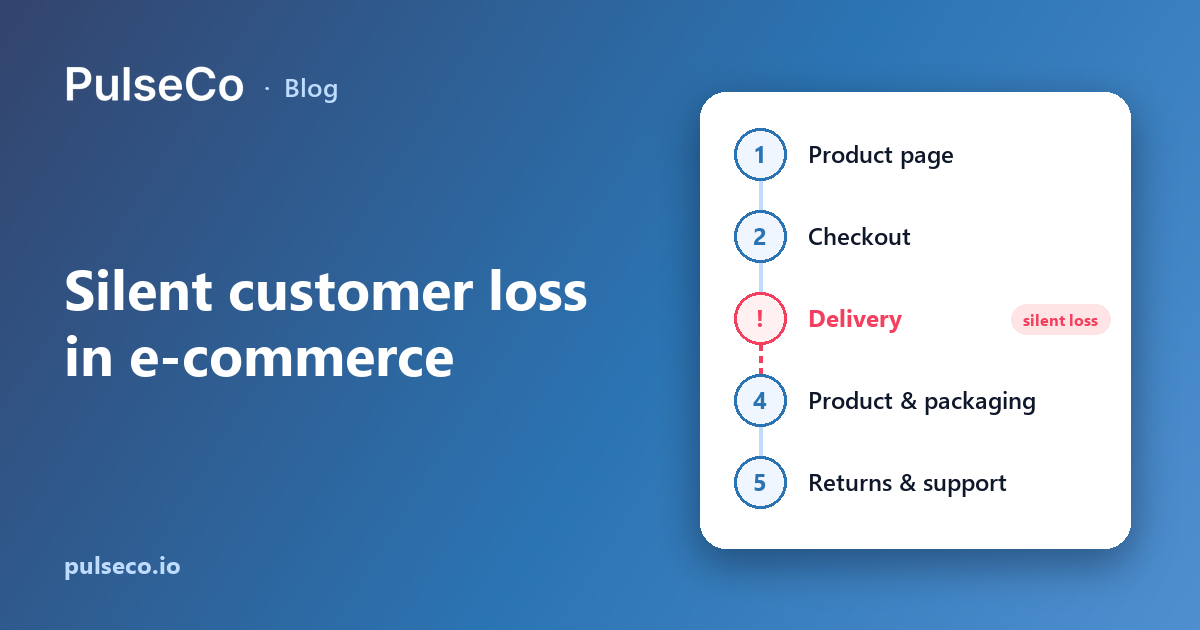
An online purchase isn't a single moment but a chain. Something can go wrong at every link:
- Product page: Missing details, misleading photos.
- Checkout: A step gets stuck, a discount code fails.
- Delivery: Delays, no tracking number.
- Packaging and product: It arrives damaged or falls short of expectations.
- Returns and support: Hard to reach, slow process.
Whichever link the problem is in, customers usually don't tell you. But what they don't tell you, they may tell others: in a review or to a friend.
When should you ask?
There are two right moments in e-commerce:
- The page after checkout: "How was your shopping experience?" You get instant answers about the site, product pages and checkout.
- After delivery: An email or SMS link matched to the order number. "Did your order arrive on time and without problems?" catches delivery and product issues.
When a response is matched to the order number, you also see which order, which product or which courier the problem came from.
Why it matters so much
- Existing customers are the most profitable. Research by Frederick Reichheld of Bain & Company shows that a 5% increase in customer retention can raise profits by 25% to 95%. Losing a customer you paid to acquire after their first order means wasting that ad spend.
- A happy customer is the cheapest advertising. According to Nielsen's global research, 83% of people trust recommendations from friends and family. A customer whose problem you solved in time may recommend you instead of complaining.
How to do it in practice
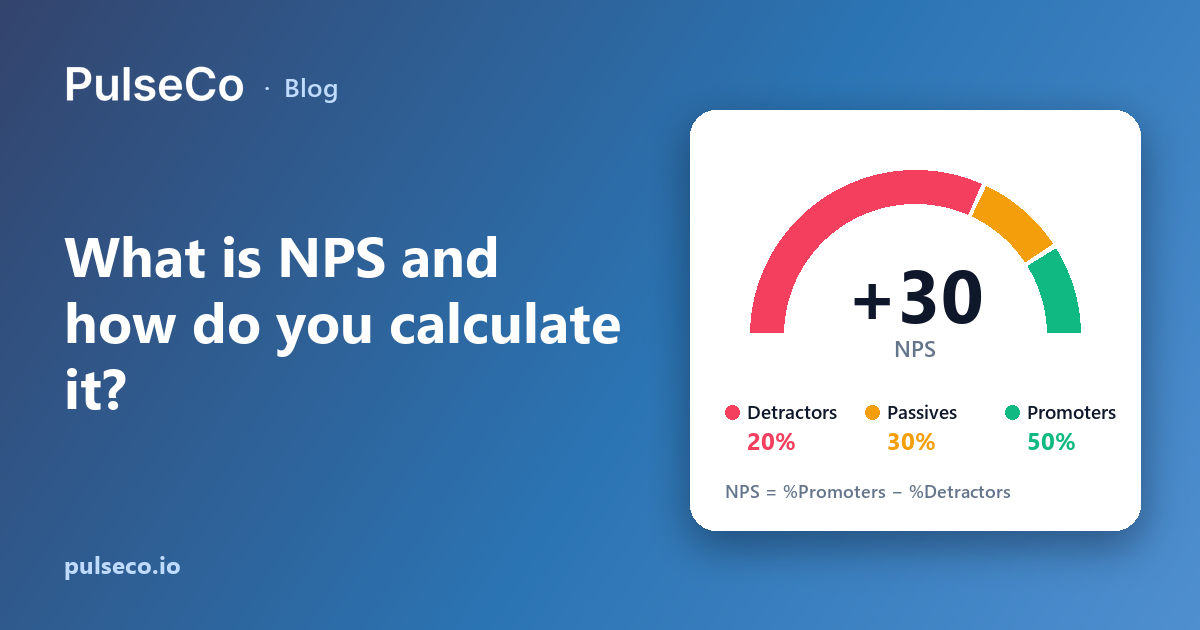
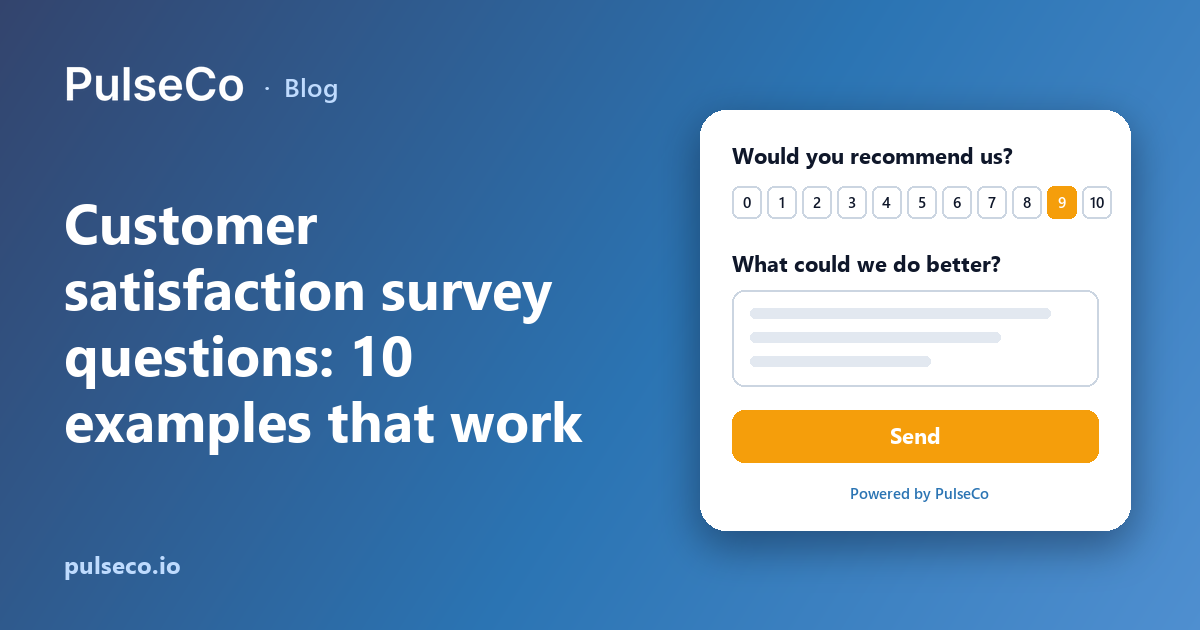
- Start with one question: A 0–10 score and the open question "What could we do better?". Our NPS guide explains how the score is calculated.
- See low scores instantly: Contact customers who score 0–6 the same day. An apology and a quick fix often win back a customer you were about to lose.
- Group comments into topics: Delivery, product, price, checkout. Each week, see which topic gets the most complaints.
- Change something and measure: Switched courier or updated product descriptions? Watch how the scores change.
Make silent loss visible with PulseCo
PulseCo adds a survey to your post-checkout page with one line of code and matches responses to the order, basket and products. For after delivery, you can create a link or QR code with the order number. You get an email when a low score comes in, and comments are sorted into topics such as delivery, product, price and checkout automatically. Works with Shopify, WooCommerce/WordPress and any HTML site. Try it free for 14 days, no card required.
Sources: PwC, Experience is everything, 2018 · Amy Gallo, The Value of Keeping the Right Customers, Harvard Business Review, 2014 · Nielsen, Global Trust in Advertising, 2015.