Customer Satisfaction Survey Questions: 10 Examples That Work
Which questions should a customer satisfaction survey ask? 10 example questions for online shops, cafés, clinics and service businesses, plus how to keep a survey short.
Creating a customer satisfaction survey looks easy. The hard part is building one that customers actually complete and that teaches you something. Long forms get abandoned, and vague questions bring vague answers. In this article you'll learn how to build a short survey that works, with 10 example questions for different kinds of businesses.
First rule: keep it short
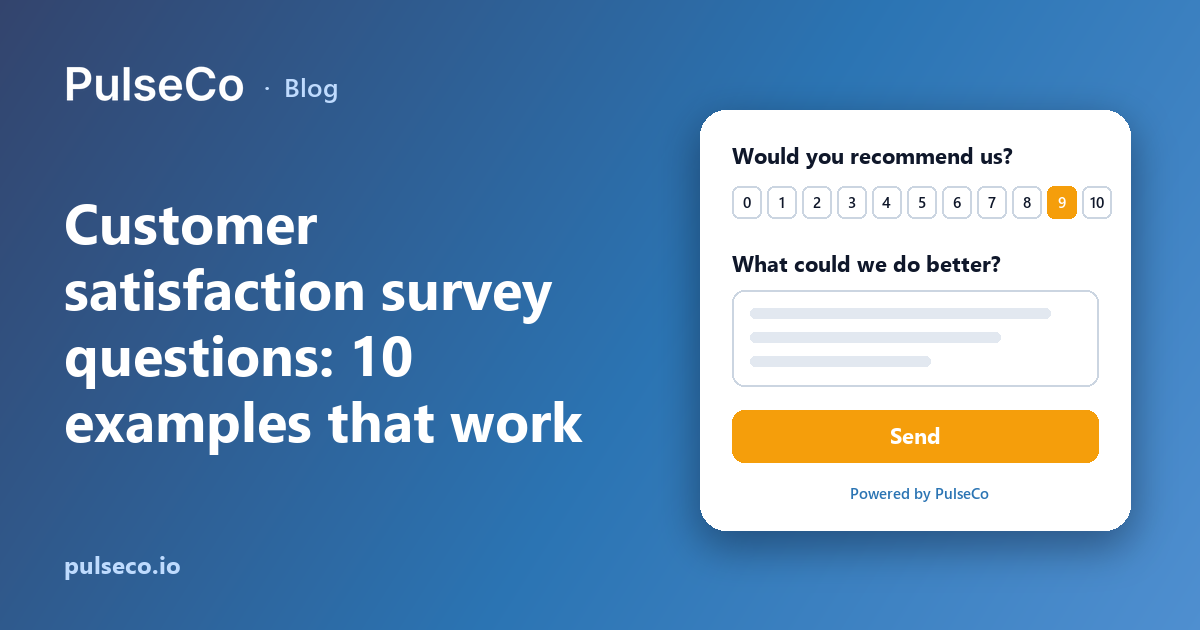
Length is a survey's biggest enemy. After paying, leaving the table or walking out of an appointment, a customer will give you a few seconds at most. A good start is two questions: one score and one open question. The score tells you how things are; the comment tells you why. Add other questions only once these two have shown you what to ask.
Two questions every survey needs
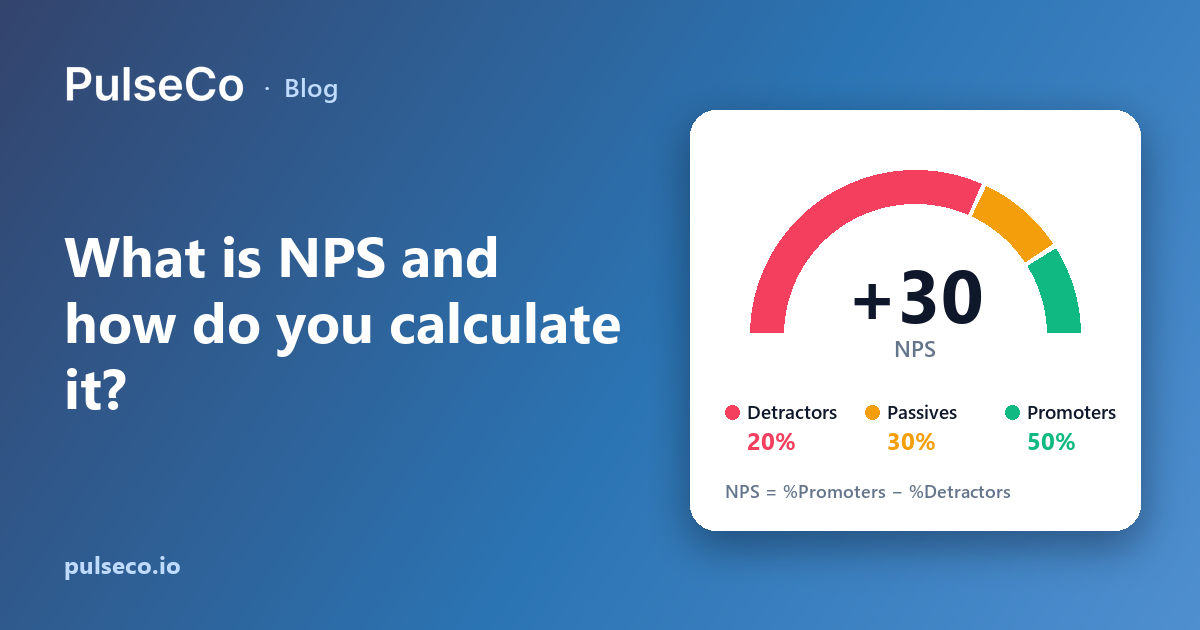
- "How likely are you to recommend us to a friend?" (0–10) — This is the Net Promoter Score (NPS) question. One number measures overall satisfaction and lets you compare over time.
- "What could we do better?" — It gets more specific answers than "Any comments?" because it invites a suggestion.
Extra questions for your type of business
Online shops
- "Did your order arrive on time and without problems?"
- "Did the product match its description on our site?"
Cafés and restaurants
- "How did you find the speed of service today?"
- "Would you like to visit us again?"
Clinics, salons and appointment-based services
- "How did you find the waiting time?"
- "Were you happy with how you were welcomed?"
For any business
- "How did you hear about us?" (multiple choice: a friend, Instagram, Google, an ad, other)
- "Would you like us to get in touch?" (optional name, email or phone, with clear consent)
Common mistakes
- Two things in one question: In "How were the product and the delivery?" you can't tell which one the score is for.
- Leading questions: "How did you like our great service?" discourages honest answers.
- Too many required fields: Every required field means more people give up.
- Wrong timing: Ask right after the experience. The page after checkout, a QR code on the table or a message after the appointment are moments the customer still remembers.
What to do with the answers
A survey is only as valuable as what you do with the results. Read low scores straight away and, where you can, get back to the customer. Group comments into topics (delivery, price, service, waiting time…) and see which topic keeps coming back each week. When you fix a problem, watch how the scores change. Customers return when they notice they've been heard.
Get started with PulseCo
With PulseCo you can add these two core questions to your website, a table or a receipt in a few minutes. You get an email when a low score comes in, comments are sorted into topics automatically, and every morning your report tells you what changed. Try it free for 14 days, no card required.